


Maryland State Delegate Palakovich Carr has introduced legislation that would ban the sale, in Maryland, of any cosmetic that contains one of 11 toxic ingredients or one of 13 specific per- and poly-fluoroalkyl substances and their salts.
The ingredients include mercury, present in eyeliners; formaldehyde, present in nail polishes and baby shampoos; quaternium-15, common in a plethora of hair products and household cleaners; and two different parabens that are found in sunscreens, eye liners, eye shadows, styling gels, hair serums, moisturizers, and many foundations and blushes.
If passed, Maryland would join California as the only states in the country to ban these ingredients. In September 2020, California became the first to ban toxins in cosmetics when it passed legislation that is identical to that proposed in Maryland. The toxins in question are known to be carcinogens (especially breast cancer), endocrine disrupters (particularly the parabens), or both.
It comes as a surprise to many that the federal government hasn’t already banned these toxins. FDA actually has quite limited jurisdiction over cosmetics, and it is not authorized by Congress to require manufacturers to show that ingredients are safe. All FDA requires is that cosmetics manufacturers who have not tested for safety must include a statement on their label that “The safety of this product has not been determined.” FDA relies largely on consumer complaints to identify dangerous cosmetics.

FDA does ban a few toxins from cosmetics, however. They are:
- Chloroform (aka Teflon)
- Vinyl chloride (PVC tubing)
- Chloroflurocarbons (aka Freon).
- Methylene chloride (paint stripper)
- Cattle by-products (risk of Mad Cow disease)
- Zirconium (heavy industrial metal)
- Halogenated salicylanilides (historic mascaras)
- Bithional (treats tapeworm in horses)
FDA also restricts the use of mercury to eye products, and bans the use of the anti-septic chemical hexochlorophene from products applied to mucous membranes.
This is in contrast to the European Medicines Agency, which bans over 1,500 toxins from use in cosmetics, and which requires manufactures to select from pre-approved UV filters, preservatives, and artificial colors.
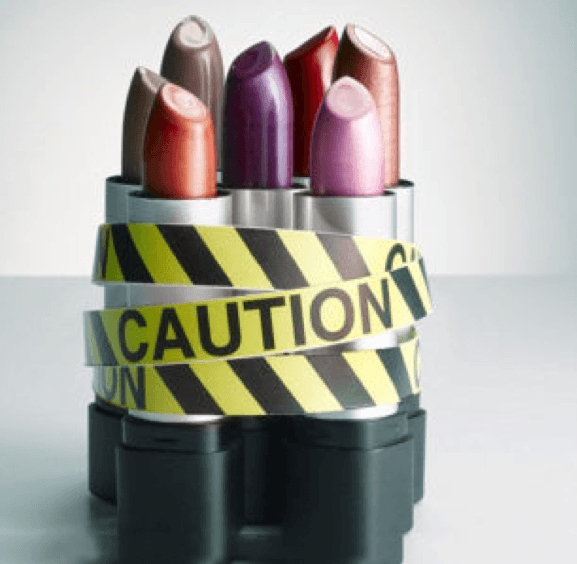
There have been repeated calls at the federal level to introduce stronger cosmetics protections. The most recent attempt was the Safe Cosmetics and Personal Care Products Act of 2019, which would have banned toxins such as lead acetate (99 percent of lipsticks manufactured in the U.S. contain lead), coal tar, and styrene, among others, and would have required FDA to develop a comprehensive list of unsafe ingredients. The bill died in committee.
No hearing date has been set for the Maryland bill.
 thelawoflifesciences.com