
Blog

FDA to Americans: “You Are Not a Horse.”

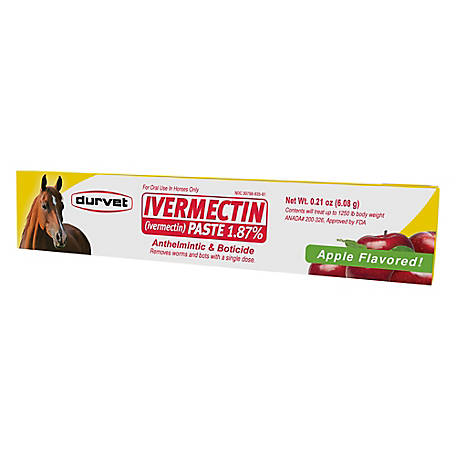
FDA has a simple message for Americans who are dosing themselves with ivermectin, a livestock de-wormer in dosages and formulations that are not approved for humans, as a treatment for COVID-19 infections: “Seriously y’all, stop it.”

In a tweet on August 21, FDA reminded Americans that FDA has no data on the safety or efficacy of ivermectin in humans for COVID-19 treatment. Ivermectin is approved in humans only for the topical treatment of head lice and rosacea, and in very small doses in tablet form for people with intestinal strongyloidiasis and onchocerciasis.

Even if there were any data on ivermectin and COVID-19, FDA explained, it is never safe for humans to take the livestock version of the medicine.

“For one thing, animal drugs are often highly concentrated because they are used for large animals like horses and cows, which can weigh a lot more than we do—a ton or more. Such high doses can be highly toxic in humans.” 

For another thing, FDA, explained, it does not review drugs just for the safety and efficacy of the active pharmaceutical ingredient, it also reviews the inactive ingredients.

FDA said, “[m]any inactive ingredients found in animal products aren’t evaluated for use in people. Or they are included in much greater quantity than those used in people. In some cases, we don’t know how those inactive ingredients will affect how ivermectin is absorbed in the human body.”

In the meantime, FDA cautions, “[y]ou are not a horse. You are not a cow. Seriously, y’all. Stop it.”

NIH Apologizes for Structural Racism in Science; Pledges to Address

In a statement issued on March 1, 2021, the Director of the National Institutes of Health (NIH) announced that NIH has “launched an effort to end structural racism and racial inequities in biomedical research.” This effort is, in part, a response to President Biden’s January 20, 2021, Executive Order on Advancing Racial Equity and Support for Underserved Communities Through the Federal Government.

Francis S. Collins, MD, Ph.D, the director of NIH, said in the statement that structural racism in science has “been allowed to endure for over four centuries” and that “[t]o those individuals in the biomedical research enterprise who have endured disadvantages due to structural racism, I am truly sorry.” 

Dr. Collins notes that NIH has tried to support “programs to improve the diversity of the scientific workforce with the goal of harnessing the complete intellectual capital of the nation” but that “[t]hese efforts, however, have not been sufficient.”

NIH has also launched a new webpage, Ending Structural Racism, which observes that NIH’s efforts to achieve a “scientific workforce diversity are hindered by organizational structures, systems, and policies that perpetuate exclusion and inequity based on race.” NIH says that “organizational structures, policies, practices, and social norms that perpetuate bias, prejudice, discrimination, and racism limit the pace of scientific progress.”

Specifically:

"[s]tructural racism has resulted in persistent health disparities, poor health status, and premature mortality as demonstrated by the current disproportionate burden of morbidity and mortality from COVID-19. Within the biomedical research enterprise, structural and institutional racism has resulted in inequitable access to funding, training, and workforce opportunities."  

Dr. Collins acknowledged that “[i]dentifying and dismantling racist components of a system that has been hundreds of years in the making is no easy task.” NIH says, however, that it welcomes feedback on its efforts to address systemic racism in science.

FDA and CDC Open Investigation Into Multi-State Listeria Outbreak

FDA, along with CDC and state health authorities, is investigating a listeria outbreak that has been detected in New York, Connecticut, Maryland, and Virginia.

As part of the investigation, the Connecticut Department of Public Health provided samples of a single lot of El Abuelito-brand Hispanic-style fresh and soft cheeses from a store where a sick person bought cheese. The samples tested positive for listeria. El Abuelito cheese is produced in New Jersey.

FDA is sequencing the genome of the listeria found in the cheese to see if it matches the strain of listeria that is causing the outbreak.

Until the source of the outbreak is confirmed, FDA is recalling Abuelito cheeses and reminding restaurants and retailers to follow FDA’s listeria-specific safe handling and cleaning advice.

FDA Opens Portal for Veterinary Field Trials in Regenerative Medicine

On February 8, 2021, FDA released a list of clinical field studies that are underway to investigate stem cells and other regenerative therapies in veterinary patients. FDA released this list to help pet owners and their veterinary teams connect with relevant clinical studies, and to help sponsors generate data for new veterinary drug applications.

FDA regulates regenerative medicine products for animals with tendon injuries, osteoarthritis, and fertility issues, among other conditions. Field trials currently under way include:

  • a field trial for stem cell therapy in English bulldogs with spina bifida;
  • a field trial for stem cell therapy in cats with chronic enteropathy (malabsorption of nutrients; and
  • a field trial for stem cell therapy in cats with chronic gingivostomatitis (severe gum inflammation).

FDA intends to update the list as new field trials come on line.

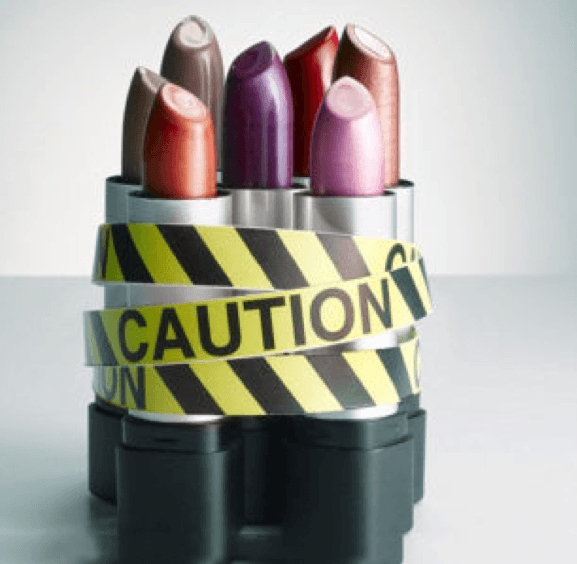
Maryland Legislature Considers Banning 24 Toxins from Cosmetics

Maryland State Delegate Palakovich Carr has introduced legislation that would ban the sale, in Maryland, of any cosmetic that contains one of 11 toxic ingredients or one of 13 specific per- and poly-fluoroalkyl substances and their salts.

The ingredients include mercury, present in eyeliners; formaldehyde, present in nail polishes and baby shampoos; quaternium-15, common in a plethora of hair products and household cleaners; and two different parabens that are found in sunscreens, eye liners, eye shadows, styling gels, hair serums, moisturizers, and many foundations and blushes.

If passed, Maryland would join California as the only states in the country to ban these ingredients. In September 2020, California became the first to ban toxins in cosmetics when it passed legislation that is identical to that proposed in Maryland. The toxins in question are known to be carcinogens (especially breast cancer), endocrine disrupters (particularly the parabens), or both.

It comes as a surprise to many that the federal government hasn’t already banned these toxins. FDA actually has quite limited jurisdiction over cosmetics, and it is not authorized by Congress to require manufacturers to show that ingredients are safe. All FDA requires is that cosmetics manufacturers who have not tested for safety must include a statement on their label that “The safety of this product has not been determined.” FDA relies largely on consumer complaints to identify dangerous cosmetics.

Chloroform Molecule

FDA does ban a few toxins from cosmetics, however. They are:

  1. Chloroform (aka Teflon)
  2. Vinyl chloride (PVC tubing)
  3. Chloroflurocarbons (aka Freon).
  4. Methylene chloride (paint stripper)
  5. Cattle by-products (risk of Mad Cow disease)
  6. Zirconium (heavy industrial metal)
  7. Halogenated salicylanilides (historic mascaras)
  8. Bithional (treats tapeworm in horses)

FDA also restricts the use of mercury to eye products, and bans the use of the anti-septic chemical hexochlorophene from products applied to mucous membranes.

This is in contrast to the European Medicines Agency, which bans over 1,500 toxins from use in cosmetics, and which requires manufactures to select from pre-approved UV filters, preservatives, and artificial colors.

There have been repeated calls at the federal level to introduce stronger cosmetics protections. The most recent attempt was the Safe Cosmetics and Personal Care Products Act of 2019, which would have banned toxins such as lead acetate (99 percent of lipsticks manufactured in the U.S. contain lead), coal tar, and styrene, among others, and would have required FDA to develop a comprehensive list of unsafe ingredients. The bill died in committee.

No hearing date has been set for the Maryland bill.

FDA and USDA Spar Over Regulatory Authority of GE Animals

In one of his last acts as the outgoing FDA Commissioner, Stephen Hahn refused to sign a Memorandum of Understanding (MOU) that would have split jurisdiction over genetically engineered animals between FDA and USDA.

The MOU, signed by outgoing Secretary of Agriculture Sonny Perdue and outgoing Public Health Service Director Admiral Brett Giroir, would have moved jurisdiction over GE animals intended for food from FDA to USDA, and left jurisdiction over GE animals intended for human biopharma drug development and gene therapies with FDA. The MOU would also have required FDA to exercise enforcement discretion over GE of “agriculture amenable animals,” thus potentially ceding authority over GE animals with potential medical uses to USDA as well.

Secretary Perdue said that “[a]gricultural biotechnology holds tremendous potential to improve animal health, enhance farm productivity, improve nutrition, and even reduce the need for some animal health measures. USDA and FDA are committed to working together to foster safe use of this promising technology and encourage innovation.”

Commissioner Hahn said that “FDA has no intention of abdicating [its] public health mandate,” and that “FDA remains undeterred in [its] steadfast commitment to ensure that animal agricultural biotechnology products undergo independent and science and risk-based evaluation by our career experts.”

HHS Secretary Alex Azar had supported FDA’s position over that of USDA. HHS said that Azar “was and remains supportive of Commissioner Hahn’s and FDA’s position on the MOU, but at the direction of the White House, the decision was made to execute the MOU.”

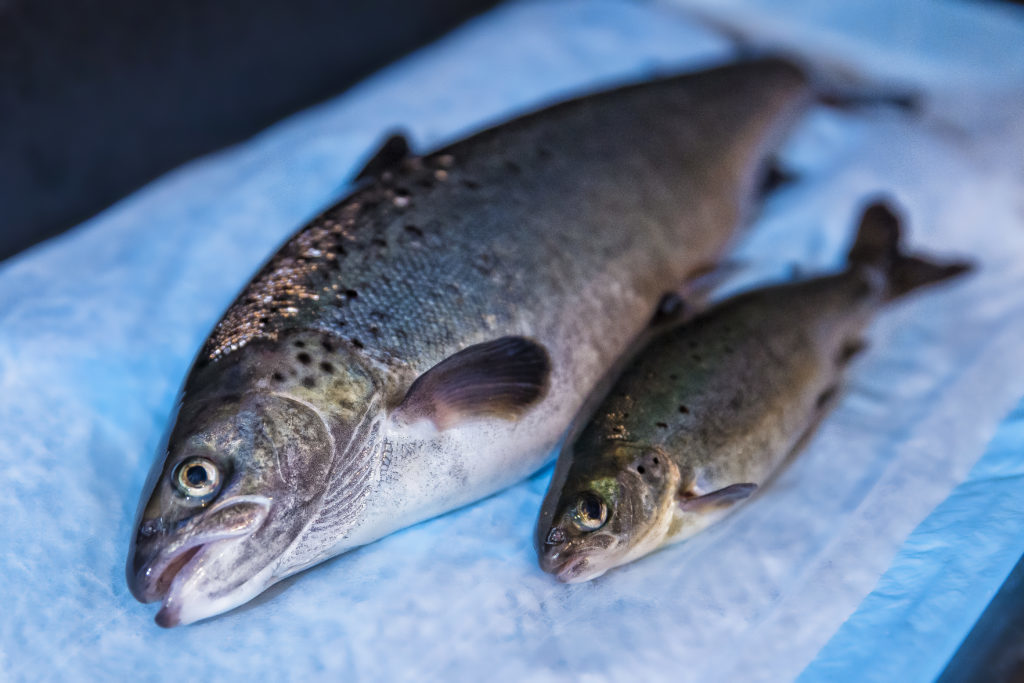
At present, FDA has approved only two GE animals for human consumption — Galsafe pigs and GE salmon.

The Biden Administration and the COVID-19 Pandemic

Moments ago, Joseph R. Biden, Jr. was sworn in as the 46th President of the United States, and his administration is expected to bring some immediate policy changes to FDA.

The primary focus of the Biden Administration will be the COVID-19 pandemic. President Biden has already appointed former FDA Commissioner David Kessler as Chief Science Officer to coordinate COVID vaccine development and approval.

The President is expected to invoke the Defense Production Act to compel private industry to produce large quantities of tests, personal protective equipment, vaccines, and COVID treatments.

The President is also expected to rejoin global health partnerships, such as the World Health Organization, to support global vaccine development, vaccine production, and vaccine distribution.

Lastly, the President is expected to support ongoing deregulation of telemedicine, an area that is largely regulated by the states and that has experienced an exponential growth in demand during the coronavirus pandemic.

Stay tuned to The Law of Life Sciences for updates on the Biden Administration’s changes at FDA.

The Beauty of Animals: Maryland Bill to Ban Cosmetics Testing on Animals

Maryland State Senator Clarence K. Lam has introduced a bill that would ban the sale, in Maryland, of cosmetics tested on animals. It would also ban the sale of any cosmetic that contains any ingredient that was tested on animals.

If it were to pass, Maryland would join California, Nevada, and Illinois as the only jurisdictions in the U.S. that ban the sale of cosmetics tested on animals. Maryland would also join the United Kingdom, which banned the practice in 1998; Israel, which banned the practice in 2007; and the European Union, which banned the practice in 2013.

Recent attempts at the federal level to ban cosmetics testing on animals have failed. In November 2019, Rep. Donald Beyer of Virginia introduced The Humane Cosmetics Act of 2019 (H.R. 5141) to prohibit anyone from conducting cosmetic testing on animals and to prohibit the sale or transport of any cosmetic that had been tested on animals. The bill died in committee.

FDA neither requires nor prohibits cosmetic testing on animals. Indeed, FDA does not require cosmetics testing at all. FDA currently has no authority to require a manufacturer to get premarket approval for cosmetics. The only way FDA can remove an unsafe cosmetic from the market is if it finds the cosmetic to be “adulterated,” which means, generally speaking, that it contains a “poisonous or deleterious substance” or “consists in whole or in part of any filthy, putrid, or decomposed substance.”

The Case of the Anemic Bucatini

An indefatigable investigative reporter named Rachel Handler wrote an article for Grub Street last month called The Very Real, Totally Bizarre Bucatini Shortage of 2020. In it, she explores why bucatini has been hard to find recently. I had not noticed this myself, but apparently it’s a real thing and apparently bucatini aficionados will accept no substitutes.

On March 30, 2020, just as the country was going into quarantines that would result in levels of home cooking as-yet-unseen in the 21st century, FDA placed a hold on all De Cecco bucatini entering the country. FDA said it put the bucatini “on import alert because it was misbranded as it failed to meet the required standard of identity. Specifically, the iron level in De Cecco bucatini was below the designated level as required by the standard of enriched macaroni.” FDA has standards of identity for a mind-numbingly vast number of foods — the one at issue here says that you can’t call your pasta an “enriched macaroni product” unless it contains at least 13 mg of iron per pound.

Import alerts are an enforcement tool that FDA uses to stop products from entering the country on the grounds that their very existence violates U.S. law. They are intended to keep us safe by keeping dangerous products off our shelves. An import alert means an actual person at a port of entry somewhere has actually looked at incoming freight closely enough to find the alleged illegality.

Considering that an average of 29.7 million shipping containers arrive each year at the over 326 ports of entry in the United States, what are the chances that an FDA inspector would: (i) randomly run across a container of De Cecco bucatini; (ii) take the time to look closely at the labeling on the individual boxes; (iii) compare the boxes against the standard of identity regulation; and (iv) conclude the anemic bucatini posed a danger to the American public? The chances are small.

Most likely, the only reason FDA took such a strong stand against De Cecco’s anemic bucatini is because one of De Cecco’s fellow bucatini manufacturers complained. In other words, the bucatini community is mad at De Cecco. And De Cecco may well have started the fight. Why? We may never know….

But the compliance lesson here is simple. Don’t throw stones at your competitors unless you can withstand a counter-attack.

A New Year, A New Look!

Here at Saltbox Consulting we decided to kick off 2021 with a new-and-improved website. And here it is! Any excuse to do away with 2020, really.

A change of administration in Washington is always an interesting time for regulatory lawyers, and this year promises to be especially so in light of the stark differences between the outgoing and incoming administrations.

We’ll try to keep everyone up-to-date with policy happenings, comings and goings, new initiatives, new rulemakings, and everything else that makes Washington fun.

Stay tuned!